
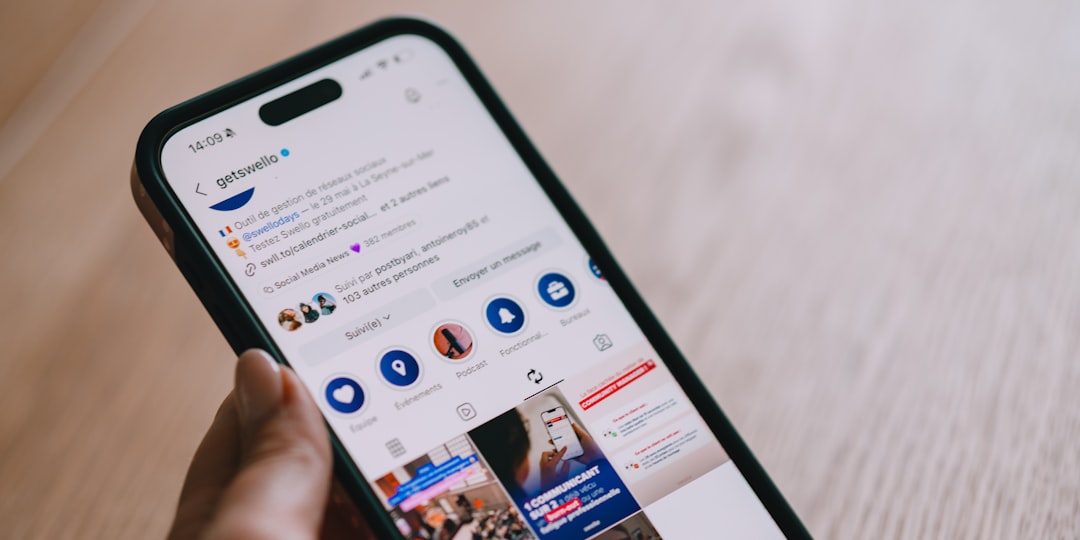
In today’s digital landscape, leveraging social media for global brand awareness and engagement is not just an option; it’s a necessity. With over 4.5 billion active social media users worldwide, brands have an unprecedented opportunity to connect with their audience on a global scale. Social media platforms like Facebook, Instagram, Twitter, and LinkedIn are not only channels for communication but also powerful tools for marketing and brand building.
The value proposition of social media marketing lies in its ability to reach a vast audience while allowing for targeted engagement. Brands can tailor their messages to specific demographics, interests, and behaviors, ensuring that their content resonates with the right people. This targeted approach is crucial, especially considering that 73% of marketers believe that their efforts through social media marketing have been “somewhat effective” or “very effective” for their business.
User needs and motivations are at the core of successful social media strategies. Consumers today seek authentic connections with brands. They want to engage with companies that reflect their values and understand their needs. By utilizing social media, brands can foster these connections through interactive content, customer service, and community engagement. This not only enhances brand loyalty but also encourages word-of-mouth marketing, which is invaluable in today’s market.
The benefits of social media marketing extend beyond mere visibility. Brands that actively engage on social media can expect to see increased website traffic, higher conversion rates, and improved customer retention. For instance, businesses that engage with their customers on social media can expect a 20-40% increase in customer spending. This statistic underscores the importance of not just being present on social media, but actively participating in conversations and building relationships.
Use cases for social media marketing are abundant. For example, a small business can utilize Instagram to showcase its products through visually appealing posts and stories, while a B2B company can leverage LinkedIn to share industry insights and connect with potential clients. Influencer marketing, a subset of social media marketing, has also gained traction, with brands collaborating with influencers to tap into their established audiences. According to recent studies, businesses earn an average of $6.50 for every $1 spent on influencer marketing, highlighting its effectiveness.
Key Insight: As social media continues to evolve, brands that prioritize authentic engagement and strategic content creation will not only enhance their global brand awareness but also drive meaningful interactions with their audience.
Building trust and credibility is essential in the realm of social media marketing. Brands must ensure that their messaging is consistent and aligns with their overall marketing strategy. Transparency in communication, responsiveness to customer inquiries, and a genuine approach to content creation can significantly enhance a brand’s reputation. Furthermore, utilizing analytics tools to track engagement and performance can provide valuable insights into what resonates with the audience, allowing brands to refine their strategies over time.
In conclusion, leveraging social media for global brand awareness and engagement is a multifaceted approach that requires a deep understanding of audience needs, strategic content creation, and consistent interaction. By embracing the power of social media, brands can not only increase their visibility but also build lasting relationships with their customers, ultimately driving growth and success in an increasingly competitive market.